








Drishti in Yoga: How Intentional Gaze Deepens My Practice
I’ve worked as a massage therapist for over a decade. Through that work, I learned a great deal about the nervous system and its relationship with the body. As conversations about fascia and the vagus nerve become more widespread, I find myself reflecting on some of the quieter elements of yoga.
One of those is drishti, or a focal point.
I was fortunate enough to study at Anuttara Yoga Shala, where I felt a deep commitment to preserving traditional teachings. I am by no means a yoga expert, and I have many hours of study ahead of me, but something about what I learned there was different, and it stayed with me.
The classes I experienced were 90 minutes, with the first 20 to 30 minutes devoted to preparation for more demanding postures. That time allowed me to move gradually, pay attention to the body, and settle into the practice. There was also deliberate attention to drishti and mudras—elements I haven’t encountered as consistently in other classes at more modern or mainstream studios.
How to use a focal point in yoga
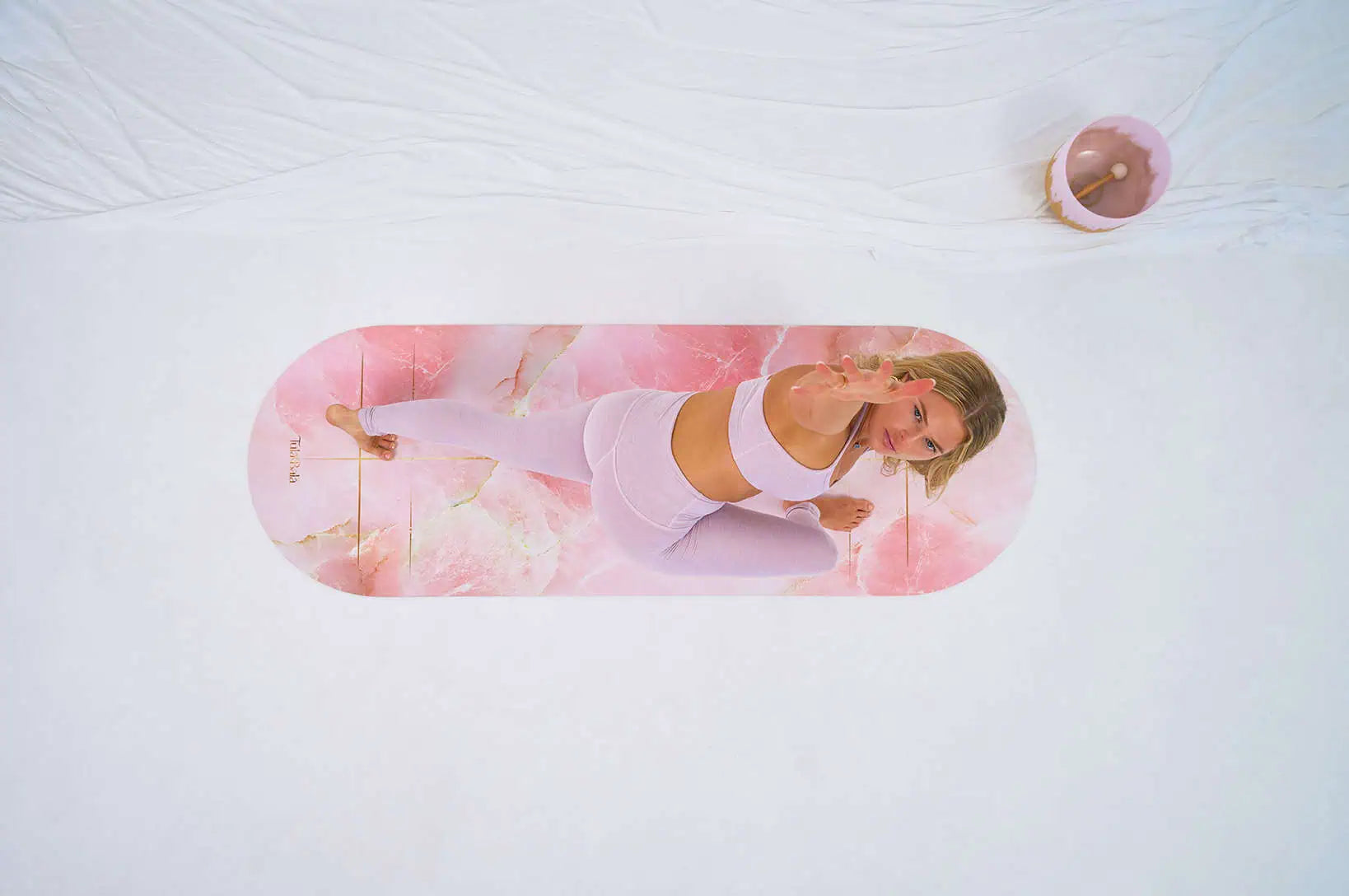
Drishti gives our eyes and our attention somewhere to return. Depending on the posture and tradition, that might be the fingertips, the nose, the third eye, the big toe, or a point ahead.
Anyone who has practiced Tree Pose may recognize the difference a steady focal point can make. Vision works together with the inner ear and sensory feedback from muscles, joints, and connective tissues, including fascia, to help us balance. Our sense of body position is called proprioception; our sense of movement is kinesthesia.
Gaze also offers an anchor for attention. I notice that my eyes tend to wander when my mind wanders. Returning to a chosen focal point becomes a way of practicing focus, bringing the mind back again and again.
Drishti and the nervous system
In the yoga practice I’m describing, drishti can include turning the head and directing the eyes fully to one side, holding that gaze for five breaths—approximately 30–60 seconds, depending on breathing pace.
This is part of what sparked my interest in the connection between drishti and the vagus nerve.
The established oculocardiac reflex provides an intriguing connection: certain forms of stimulation involving the eye and its muscles can trigger a vagal response that slows the heart. Whether sustained drishti activates that same reflex remains unconfirmed by medical research.
For me, this is a question worth exploring. My experience studying and practicing yoga, alongside my work as a massage therapist, has made me curious about how intentional gaze, breath, and posture work together to influence the body and mind.
Bringing Drishti, Breath, Mudra, and Asana together
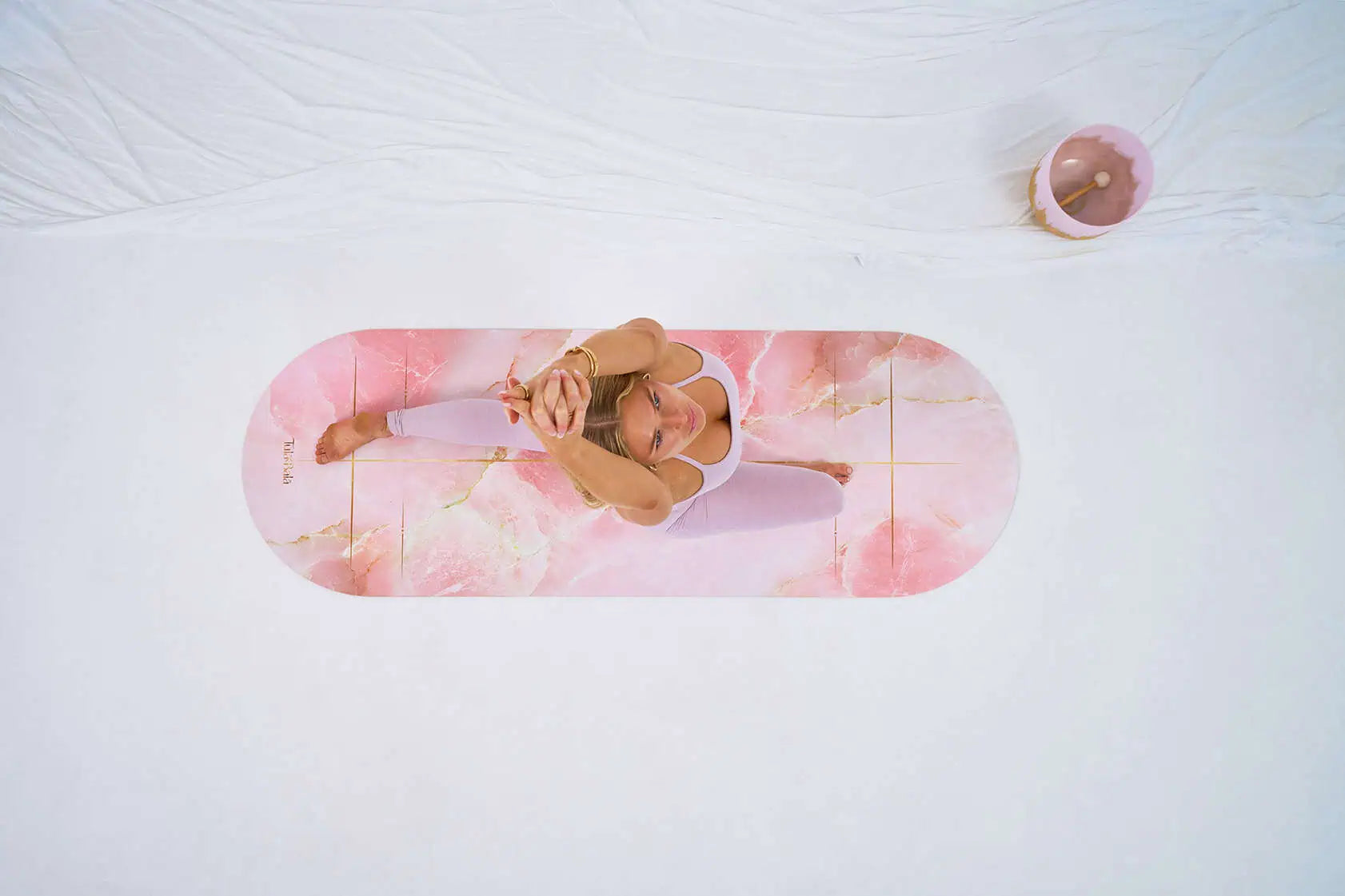
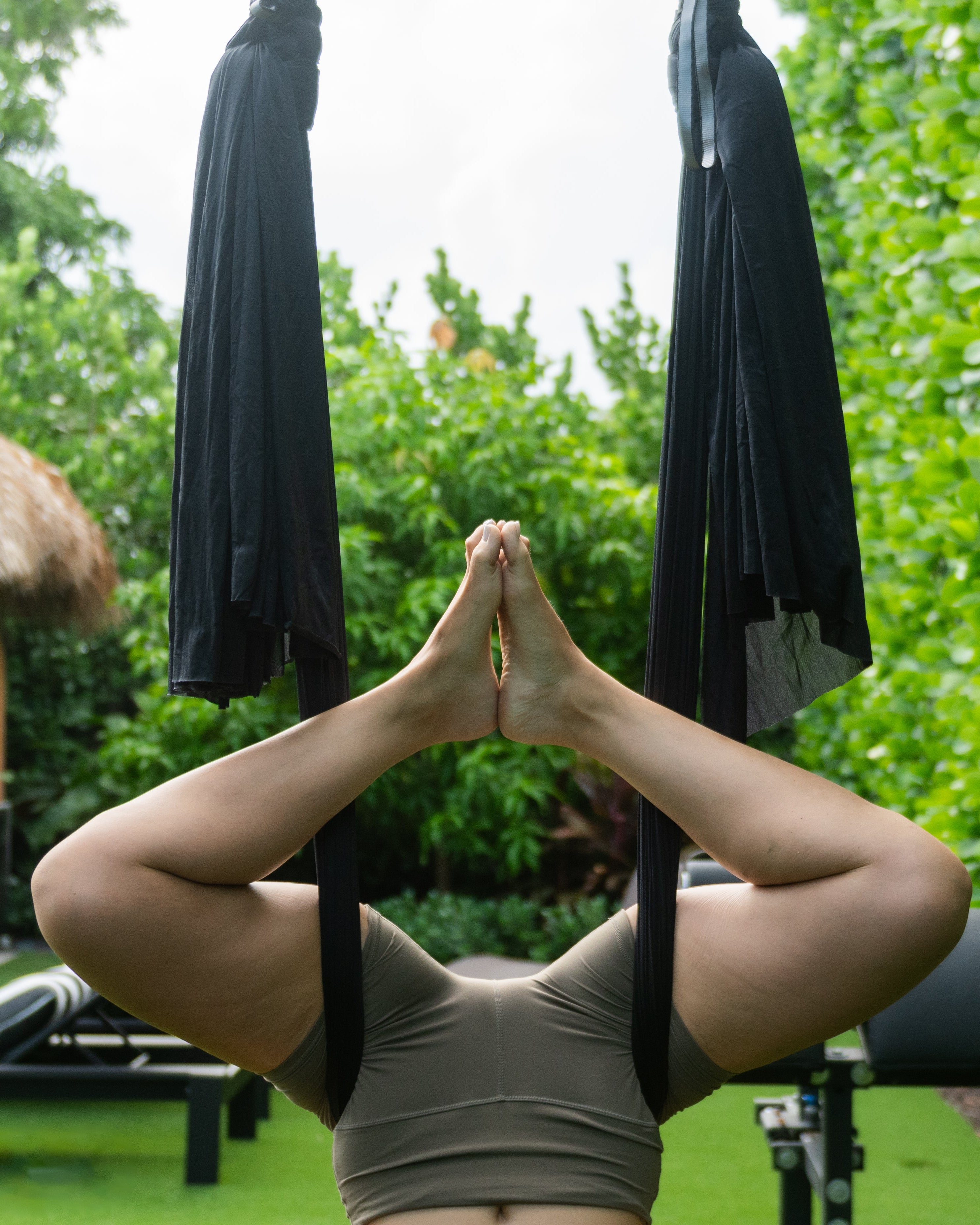
Mudras are intentional gestures, often made with the hands, that carry meaning within yogic traditions. Alongside drishti, they give me another way to bring awareness into practice.
In my studies, I learned to understand mudra as an energetic seal. Within that traditional teaching, joining the fingertips allows energy to circulate through the body rather than flow outward through the fingertips. This understanding adds another layer of intention to my practice.
In my experience, combining drishti, breath, mudra, and asana creates a more calming effect on my nervous system. This more holistic practice feels much deeper to me than practicing asana and breath alone.
These quieter details have stayed with me because of how I experience them. They invite me to become more present—to notice where I’m looking, how I’m breathing, and how I feel within a posture.
During your next practice, notice where your gaze rests. Keep it comfortable and explore your teacher’s guidance on drishti. What changes when your focal point becomes an intentional part of your practice?
If your teacher doesn’t use drishti and mudras, let your curiosity lead you. Explore reputable yoga resources and experienced teachers online, and thoughtfully bring what you learn into your own practice.I promise you will feel a difference.
For more explorations of traditional yoga and mindful movement, join the TulaBala email community at TulaBala.com. Explore our yoga mats and accessories to support your personal practice.