
























Trees have always felt like quiet teachers to me. They do not seek attention, yet they hold presence effortlessly. Rooted in one place—sometimes for thousands of years—they witness time without urgency. Seasons pass. Storms come and go. Still, they remain. Their stillness is not passive; it is powerful.
What I love most about trees is what we don’t see. Most trees have root systems that extend as far as their branches, sometimes even farther. The banyan tree, in particular, has always captivated me—so much of its life exists underground, silently supporting the beauty we see above. To me, this feels like a metaphor for life. The unseen work matters. The roots matter. Not everything sacred needs to be visible.
I’ve often felt this deeply:
“I’m drawn to trees because they remind me that what sustains us is mostly invisible. The roots matter more than the display—and not everything sacred needs to be shared.”
Trees give endlessly without explanation. They provide shelter, nourishment, medicine, and material. They are home to entire ecosystems—from lichen and insects to birds and mammals. They hold space for life simply by being what they are.
And then there is sound. When the wind moves through their leaves, each tree sings differently. Some whisper. Some rustle. Some hum low and steady. Because I’m deeply attuned to sound and vibration, this feels personal to me. Every tree has its own frequency, its own mood, its own energetic presence. Each one creates a distinct feeling in the space around it.
Another truth I return to often is this:
“Trees don’t try to be anything other than what they are. Their presence alone shifts the energy of a space—and that, to me, is what alignment feels like.”
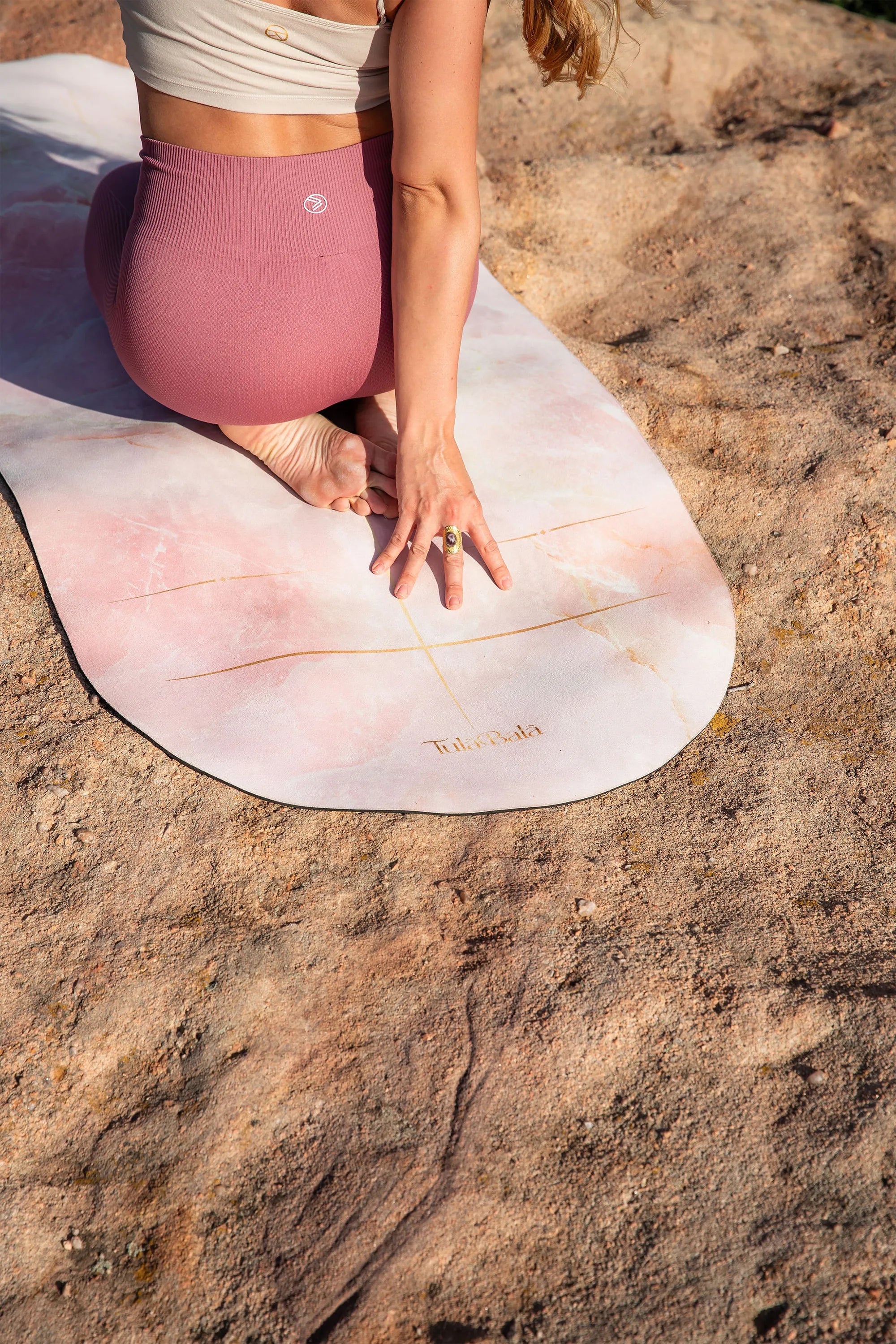
Yoga reflects this same wisdom. One of the most symbolic postures in yoga is Tree Pose (Vrksasana)—a physical expression of grounding, balance, and quiet strength. In Tree Pose, one foot roots deeply into the earth while the other leg lifts lightly, without force. The spine lengthens. The arms rise like branches reaching for light. Balance isn’t found through rigidity—it’s found through presence, breath, and subtle adjustment.
Like trees, we learn that stability comes from deep roots, not stiffness. Trees sway. They bend. They adapt. Yoga teaches us how to remain grounded while still allowing movement and growth—to stay connected to what supports us as we expand upward and outward.
Trees remind me that beauty doesn’t require constant visibility. That depth creates stability. That presence alone can change a space.
In the words of Robert Frost:
“The clearest way into the universe is through a forest wilderness.”
This is the energy I return to again and again at TulaBala—rooted, intentional, alive. Like trees.
By Katie Ward, Founder of TulaBala